English 4 Unit 2 Term 1 Week 3, 2025
Instrucciones:
• Los bloques sombreados en color gris se pueden ocultar en la impresión final.
• Para ello haga clic sobre cada uno de los bloques que desea ocultar.
• Para encenderlo nuevamente, pulse el bloque otra vez.
• Solamente los bloques encendidos serán impresos.
• Pulse el botón «Imprimir» cuando se encuentre listo.
• Para un mayor aprovechamiento del espacio, recomendamos eliminar los márgenes al imprimir.
¿Cómo guardar PDF?

Recomendamos utilizar el navegador Google Chrome.
Si no lo tiene instalado en su dispositivo puede descargarlo aquí.
El diálogo de impresión iniciará en cuanto cierre estas instrucciones.
En el cuadro de diálogo, cambie el destino de la impresión:
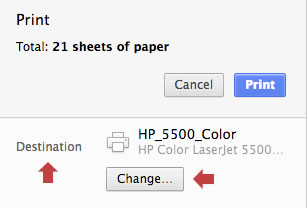
En las opciones, seleccione «Guardar como PDF»:
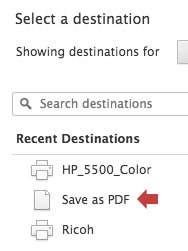
Para aprovechar todo el espacio de su hoja, recomendamos desactivar los márgenes:
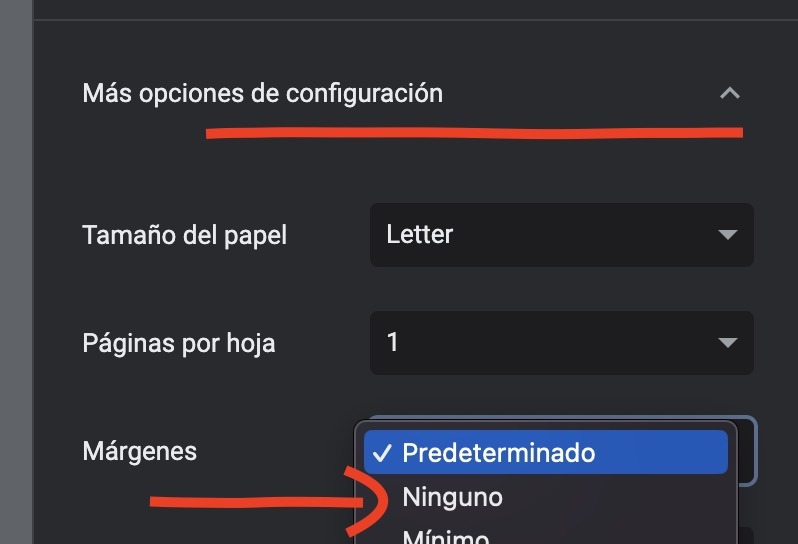
Por último pulse el botón «Guardar»:
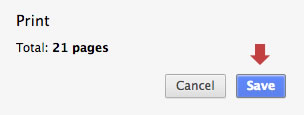
¿Cómo imprimir en color?
Recomendamos utilizar el navegador Google Chrome.
Si no lo tiene instalado en su dispositivo puede descargarlo aquí.
El diálogo de impresión iniciará en cuanto cierre estas instrucciones.
En el cuadro de diálogo de la impresión siga las siguientes instrucciones:
Si desea imprimir el planeamiento a color, asegúrese de activar la opción «Color»:

En la sección «Más configuraciones»:

Active la opción «Gráficos de fondo»:
Finalmente pulse el botón «Imprimir»:
School year: 2025
Period:
Term: I
Level: Forth Grade
Unit: 2
Week: 3
Domain: Socio-interpersonal
Scenario: Natural Treasures
Theme: A Trip to a National Park
Enduring Understanding: National parks provide homes and food to animals and jobs, education and entertainment for people.
Essential Question: Why do national parks matter to us?
General Competences:
Responsible Citizenship ( X )
Life Competences ( )
Competences for Employability ( )
Learn to Know
Grammar & Sentence Frames
Wh- questions in past tense
- Which National Park did you visit last weekend?
- What did you do at Tortugüero?
- What did you see?
Yes/No questions in simple past
- Did you swim there? Did you see any animals?
- Did you like it?
Vocabulary
- A Trip to a National Park
Activities in past tense:
- Saw, Went
- Ate, swam
- Took, walked
- Watched, visited
- Listened, learned
Phonemic Awareness
Identifying short vowel sounds (-at, -in, -ot) in orally stated single-syllable words. (e.g., hen, hat, mad, hot.)
Learn to Do
Function
Describing past experiences
Discourse Markers
Linkers: Sequential – past tense
First, then, after that, finally
Learn to Be and Live in Community
Psycho-social
Working cooperatively with others.
Sociocultural
Following conventions for turn taking
Idioms/phrases
“When it rains, it pours.” (When something good or bad occurs, it usually occurs more than once.)
Assessment Strategies & Evidences of learning
Learner…
L.3. Recognizes the most important points in a straightforward talk or presentation.
Indicator of learning
Recognizes the most important points about a national park in a straightforward presentation.
Goals
Learner can…
L.3. Recognize the most important points in a straightforward talk or presentation.
Pedagogical Mediation/ Didactic Sequence
Pre- teaching
Warm Up
The teacher asks what activities do you like to do after school?
Students brainstorm some activities.
The teacher writes some of the actions on the board, and adds the headings today and yesterday, and writes the past tense of each action.
Example:

Activation of Prior Knowledge
Students brainstorm activities people can do in National Parks.
The teacher writes them on the board in the chart.
The teacher writes the past of each activity next to the word.
Students copy the chart on the notebook.
Modeling
Teacher introduces sentences about activities people enjoyed in National Parks in the past tense.
Examples:
- My cousin swam in the ocean.
- My father took some pictures.
- I hiked in the mountains.
- My mother ate some sandwiches.
Clarifying
The teacher explains that regular verbs make the past adding ed.
But some verbs have different spelling.
Time
R.2. Comprehends reading by analyzing it and enjoying texts.
Indicator of learning:
Follows organization of a written passage.
Identifies specific information about national parks from written text.
SI.1. Asks straightforward questions in familiar situations and understands the responses in an info-gap activity.
Indicator of learning:
Asks straightforward questions appropriately about Costa Rica’s national Parks in an info-gap activity
Recognizes what has been said about Costa Rica’s national parks in an info-gap activity.
W.1. Engages in the writing process: pre-drafting, drafting when writing sentences.
Indicator of learning:
Indicators of learning:
- Pre-drafts his/her piece of writing
- Revises is/her piece of writing
- Edits his/her piece of writing.
- Publishes his/her piece of writing
- Organizes a story in a logical sequence
R.2. comprehend readings and enjoying texts.
SI.1. ask straightforward questions in familiar situations and understand the responses.
W.1 Engage in the writing process: pre-drafting, drafting.
Pre-task
Students observe the pictures on page 42 in the book.
Students brainstorm the name of each place in the illustration.
The teacher writes the places on the board.
Hiking trail – Desert – Beach – rain forest
Students brainstorm some activities people did in those places.
The teacher writes them on the board under each place.
Students choose one place and some of the adjectives in the word bank that could agree with that place.
Task – Rehearsal
Some students write on the board a sentence using an action in the past in one of those places.
The teacher checks spelling and grammar.
Task completion
Students create 5 sentences describing activities people did in the place they chose using adjectives from the word bank on page 42.
Students work with a partner to check their sentences.
The teacher checks their sentences.
Task – Assessment
The teacher hands out a reading to complete. (extra sheet)
Students work individually filling in the gaps.
Fill in the gaps with the actions Susy and her family enjoyed during their vacation.
- The baby __________ water.
- The family ____________ with the sand.
- Susy and her father ________________ some rocks.
- Her mother _________________ to the Whale`s tail.
- Her father ____________ the car.
- The children ______________ in the car.
- Her mom __________ some pictures.
- Carlos ______________ in the ocean.
- They ___________ some wild animals.
Post task
Students complete page 57 with a partner.
The teacher checks the answers.