English 4 Unit 2 Term 1 Week 4, 2025
Instrucciones:
• Los bloques sombreados en color gris se pueden ocultar en la impresión final.
• Para ello haga clic sobre cada uno de los bloques que desea ocultar.
• Para encenderlo nuevamente, pulse el bloque otra vez.
• Solamente los bloques encendidos serán impresos.
• Pulse el botón «Imprimir» cuando se encuentre listo.
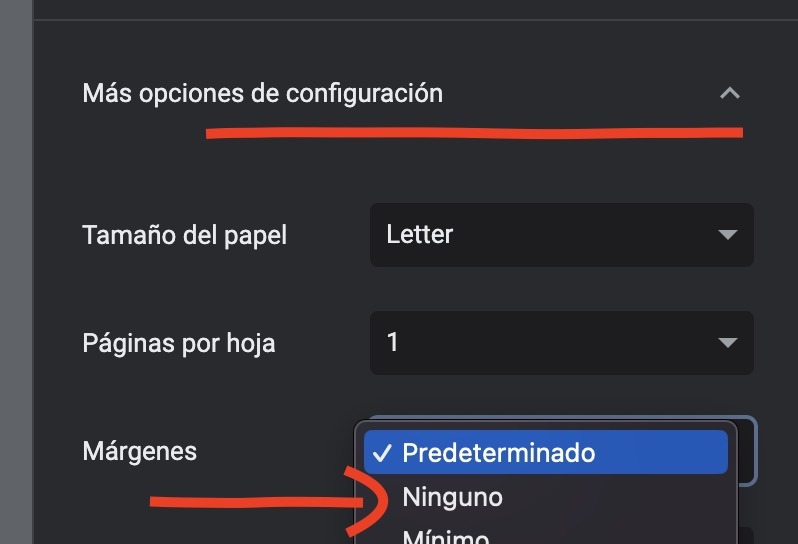
• Para un mayor aprovechamiento del espacio, recomendamos eliminar los márgenes al imprimir.
¿Cómo guardar PDF?

Recomendamos utilizar el navegador Google Chrome.
Si no lo tiene instalado en su dispositivo puede descargarlo aquí.
El diálogo de impresión iniciará en cuanto cierre estas instrucciones.
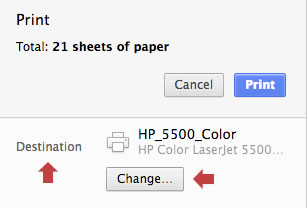
En el cuadro de diálogo, cambie el destino de la impresión:
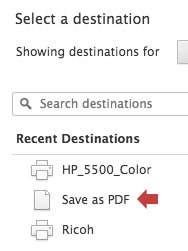
En las opciones, seleccione «Guardar como PDF»:
Para aprovechar todo el espacio de su hoja, recomendamos desactivar los márgenes:
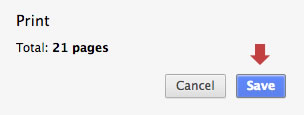
Por último pulse el botón «Guardar»:
¿Cómo imprimir en color?
Recomendamos utilizar el navegador Google Chrome.
Si no lo tiene instalado en su dispositivo puede descargarlo aquí.
El diálogo de impresión iniciará en cuanto cierre estas instrucciones.
En el cuadro de diálogo de la impresión siga las siguientes instrucciones:
Si desea imprimir el planeamiento a color, asegúrese de activar la opción «Color»:

En la sección «Más configuraciones»:

Active la opción «Gráficos de fondo»:

Finalmente pulse el botón «Imprimir»:
School year: 2025
Period:
Term: I
Level: Forth Grade
Unit: 2
Week: 4
Domain: Socio-interpersonal
Scenario: Natural Treasures
Theme: Protecting our National Parks
Enduring Understanding: National parks provide homes and food to animals and jobs, education and entertainment for people.
Essential Question: Why do national parks matter to us?
General Competences:
Responsible Citizenship ( X )
Life Competences ( )
Competences for Employability ( )
Learn to Know
Grammar & Sentence Frames
Modal – should
- People should follow the rules of the park.
- Visitors’ shouldn´t throw garbage on the paths.
- We shouldn´t feed animals there.
Simple past tense regular and irregular
- I went to Rincón de la Vieja in July.
- I hiked to a waterfall.
- I swam in the hot spring.
Vocabulary
Protecting our National Parks
- Do not litter.
- Do not feed the animals.
- Do not pollute water.
- Do not kill animals or destroy plants and trees.
- Protect the wildlife.
- Preserve nature.
Phonemic Awareness
Identifying short vowel sounds (-at, -in, -ot) in orally stated single-syllable words. (e.g., hen, hat, mad, hot.)
Learn to Do
Function
Making suggestions
Discourse Markers
Linkers: Sequential – past tense
First, then, after that, finally
Learn to Be and Live in Community
Psycho-social
Working cooperatively with others.
Sociocultural
Using the right choice of interjections (e.g. Oh! Wow! Beautiful!)
Idioms/phrases
“Have the time of my life” ( to enjoy an experience very much)
Assessment Strategies & Evidences of learning
Learner…
Goals
Learner can…
Pedagogical Mediation/ Didactic Sequence
Pre-teaching
Warm up
Activation Prior knowledge
Modeling
Teacher sticks cards with pieces of advice on each column, reads them, and explains meaning by using mimics and drawings.
Pieces of advice:
The teacher says: “You should…”
- Save energy. Switch off lights you don’t need.
- Save paper.
- Plant trees.
- By biodegradable cleaning products
- Use reusable bags instead of paper ones.
- Recycle, reduce, and reuse different products
You shouldn’t…
- Waste water
- Litter
- Feed the Animals.
- Pollute Water.
- Kill Animals
- Destroy plants and trees.
Teacher reads each piece of advice twice, sticks it in the right column, and invites learners to pronounce each statement after him/her.
Teacher reinforces the target vocabulary by modeling the pronunciation of key phrases. Students participate in choral repetition. 
Click here
Clarifying
All the cards used in the modeling section are keep hidden. Some volunteers go to the front and paste the cards on the corresponding place. As each learner sticks the card, he/she reads the piece of advice using should or shouldn’t. The rest of the students provide feedback.
Teacher holds the cards up on the air and asks: “Should we kill animals?” and the learners answer: “No, we shouldn’t. “Should we save energy?” Yes, we should.
Pre-task
Task-rehearsal
Task completion
Create some signs to put around a National Park about things you should and you shouldn’t do.
Task assessment
Using the collage, learners will present an oral presentation to put into practice their background knowledge. Students should read the sentences that they wrote for each picture in their collage.
Pre-task
Teacher introduces the goal of the lesson.
Students review the sounds from last week- short vowel sounds (-at, -in, -ot)
Teacher uses flashcards to reinforce each sound and consonant combination.

Task-rehearsal
Teacher draws a big hopscotch on the floor and places on each spot the (-at, -in, -ot) sounds randomly. For the game, the student will roll the dice, take the allotted number of hops, say a word, and pronounce a word with the sound that they land on to move ahead. Students take turns playing.
Time
L.3. Recognizes the most important points in a straightforward talk or presentation.
L.3. Recognize the most important points in a straightforward talk or presentation.
Task completion
Learners, individually, read words for the -ot,-at, and -in family. Teacher monitors learners’ performance closely.
Task assessment
Learners identify given words: Teacher uses three different boxes with the three sounds labeled. Learners pick a word from a pile with all mixed words, read the word and place it in the corresponding sound box.